Introduction
Head and neck cancer is a serious but often preventable and treatable condition when detected early. In Nepal, awareness about this type of cancer is still limited, which leads to delayed diagnosis and treatment. Many people ignore early warning signs such as persistent throat pain, hoarseness, or unusual lumps in the neck, assuming them to be minor issues.
This blog aims to provide a complete, easy-to-understand guide on head and neck cancer, including its causes, symptoms, diagnosis, treatment options, and prevention strategies. If you or your loved ones experience persistent ENT (ear, nose, throat) issues, understanding these signs could be life-saving.
What is Head and Neck Cancer?
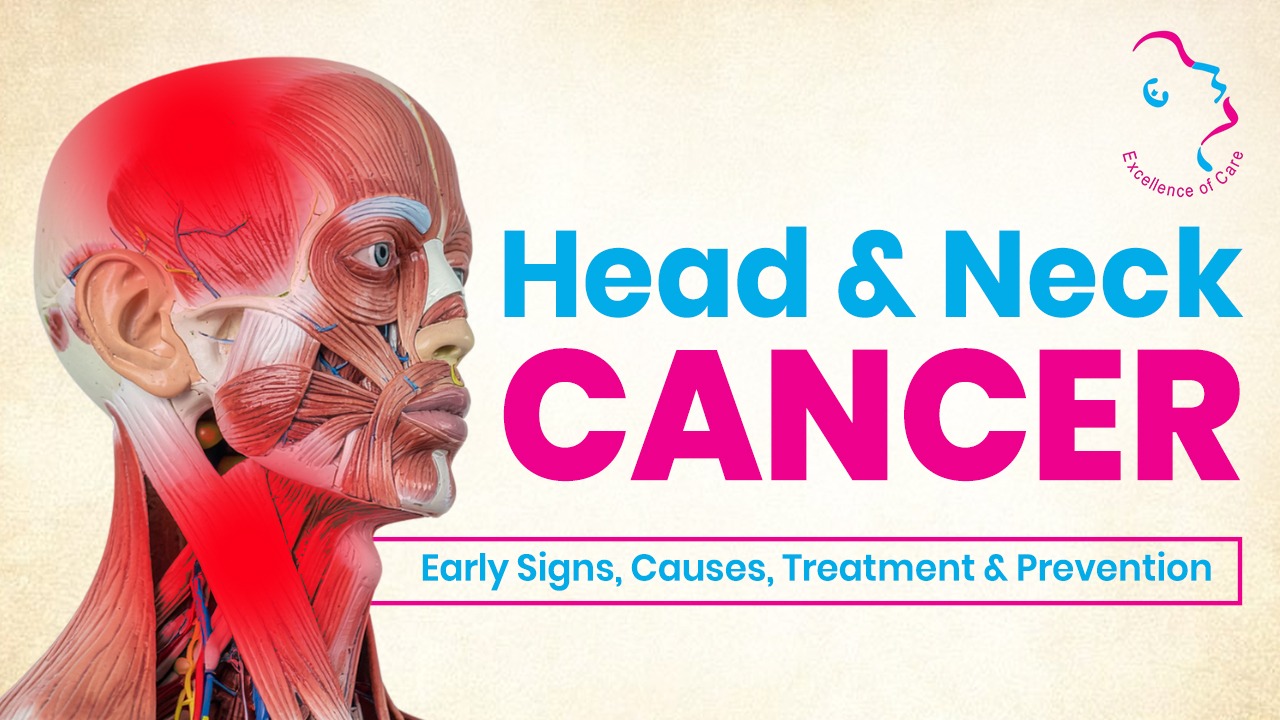
Head and neck cancer refers to a group of cancers that develop in the mouth, throat, voice box (larynx), nose, sinuses, or salivary glands. These cancers typically begin in the squamous cells lining the moist surfaces inside the head and neck region.
Common Types:
- Oral cancer (mouth, lips, tongue)
- Throat cancer (pharynx)
- Laryngeal cancer (voice box)
- Nasal and sinus cancer
- Salivary gland cancer
Among these, oral and throat cancers are the most common in Nepal, largely due to tobacco use and alcohol consumption.
Causes of Head and Neck Cancer
Understanding the causes can help in prevention and early detection.
1. Tobacco Use
Smoking cigarettes, cigars, or chewing tobacco is the leading cause of head and neck cancer. In Nepal, the use of smokeless tobacco like gutka and khaini significantly increases the risk.
2. Alcohol Consumption
Heavy alcohol use, especially when combined with tobacco, greatly increases cancer risk.
3. Human Papillomavirus (HPV)
HPV infection, especially HPV-16, is a major cause of throat cancer, particularly in younger individuals.
4. Poor Oral Hygiene
Neglecting oral care can lead to chronic irritation and infections, increasing cancer risk.
5. Exposure to Environmental Toxins
Dust, chemicals, and pollution can contribute to nasal and sinus cancers.
6. Weak Immune System
People with weakened immunity are more susceptible to developing cancers.
Early Signs and Symptoms
One of the biggest challenges with head and neck cancer is that early symptoms are often ignored.
⚠️ Warning Signs to Watch For:
- Persistent sore throat
- Difficulty swallowing (dysphagia)
- Hoarseness or voice changes lasting more than 2 weeks
- Lump in the neck
- Non-healing mouth ulcers
- Ear pain without infection
- Unexplained weight loss
- Bleeding from mouth or nose
- Difficulty breathing
If any of these symptoms persist for more than two weeks, it is important to consult an ENT specialist immediately.
Why Early Detection Matters
Early detection significantly improves survival rates. When diagnosed at an early stage, head and neck cancers are highly treatable.
Benefits of Early Diagnosis:
- Less aggressive treatment required
- Better quality of life
- Higher survival rate
- Lower treatment cost
Unfortunately, many patients in Nepal seek medical help only when the disease has advanced, making treatment more complex.
Diagnosis of Head and Neck Cancer
An ENT specialist plays a crucial role in diagnosing these cancers.
Common Diagnostic Methods:
1. Physical Examination
The doctor checks for lumps, abnormalities, and visible lesions.
2. Endoscopy
A thin, flexible tube with a camera is used to examine internal structures.
3. Biopsy
A tissue sample is taken to confirm cancer.
4. Imaging Tests
- CT Scan
- MRI
- PET Scan
These tests help determine the stage and spread of the cancer.
Treatment Options
Treatment depends on the type, location, and stage of the cancer.
1. Surgery
Used to remove tumors and affected tissues.
2. Radiation Therapy
High-energy rays are used to destroy cancer cells.
3. Chemotherapy
Drugs are used to kill or slow cancer growth.
4. Targeted Therapy
Focuses on specific cancer cells with fewer side effects.
5. Immunotherapy
Boosts the body’s immune system to fight cancer.
In many cases, a combination of treatments is used for the best outcome.
Living with Head and Neck Cancer
Treatment can affect essential functions such as speaking, eating, and breathing.
Common Challenges:
- Difficulty swallowing
- Speech problems
- Nutritional issues
- Emotional stress
Supportive Care Includes:
- Speech therapy
- Nutritional counseling
- Psychological support
- Regular follow-ups
Prevention Tips
While not all cancers can be prevented, many risk factors are controllable.
✔️ Key Prevention Strategies:
- Quit smoking and tobacco use
- Limit alcohol consumption
- Maintain good oral hygiene
- Get vaccinated against HPV
- Eat a healthy diet rich in fruits and vegetables
- Avoid exposure to harmful chemicals
- Regular ENT check-ups
Head and Neck Cancer in Nepal
In Nepal, head and neck cancers are among the most common cancers, especially in men. The high prevalence is linked to:
- Tobacco chewing
- Smoking
- Alcohol consumption
- Lack of awareness
- Late diagnosis
Increasing awareness and encouraging early screening can significantly reduce the burden of this disease.
When to See an ENT Specialist?
You should consult an ENT specialist if you experience:
- Symptoms lasting more than 2 weeks
- Persistent throat or ear pain
- Difficulty swallowing or speaking
- Any unusual lump in the neck or mouth
Early consultation can make a life-saving difference.
Why Choose ENT Care Center?
At ENT Care Center, patients receive comprehensive ENT care with modern diagnostic and treatment facilities.
What Makes ENT Care Center Stand Out:
- Experienced ENT specialists
- Advanced diagnostic equipment
- Personalized treatment plans
- Patient-centered care
- Focus on early detection and prevention
Whether it’s a minor ENT issue or a serious concern like head and neck cancer, timely evaluation is essential.
Conclusion
Head and neck cancer is a serious condition, but with early detection, proper treatment, and lifestyle changes, it is highly manageable. Awareness is the first step toward prevention.
If you notice any unusual symptoms, do not ignore them. Seeking timely medical advice can save your life.
Take care of your health, avoid risk factors, and encourage your family and community to stay informed.
📢 Call to Action (CTA)
If you or your loved ones are experiencing symptoms related to head and neck cancer, don’t delay.
👉 Visit ENT Care Center, best ent clinic in Kathmandu today for expert consultation and early diagnosis.
👉 Book your appointment now at: https://entcarecenter.com.np/