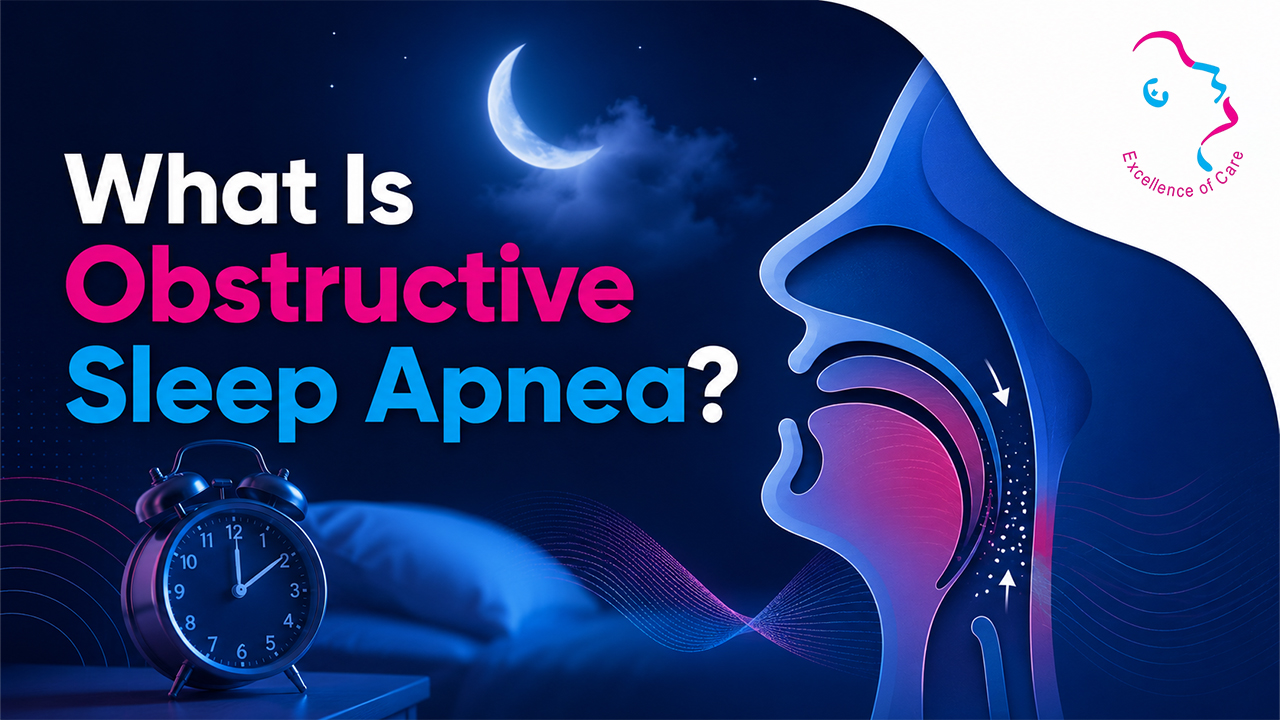
An ENT Specialist is a doctor who diagnoses and treats problems of the ear, nose, throat, head and neck. You should visit one when symptoms such as ear pain, hearing loss, blocked nose, sinus pressure, frequent throat infection, hoarseness, dizziness, snoring or swallowing difficulty do not improve, keep returning, or affect daily life.
Not every cold, sore throat or blocked nose needs specialist care. But persistent or repeated symptoms should not be ignored. Early evaluation can help identify the cause, reduce complications and guide the right treatment.
ENT Care Center in Kathmandu provides specialist ear, nose and throat services including hearing evaluation, sinus treatment, tonsil and adenoid care, voice and swallowing care, ear surgery and other ENT-related services.
When Should You See an ENT Specialist?
You should see an ENT specialist if you have:
| Symptom | When to visit an ENT |
| Ear pain | If it is severe, repeated or linked with discharge |
| Hearing loss | If it is sudden, worsening or affects communication |
| Blocked nose | If it lasts for weeks or keeps returning |
| Sinus pressure | If symptoms last more than 10 days or become frequent |
| Sore throat | If it is persistent or associated with swallowing difficulty |
| Hoarse voice | If it does not improve after 2 weeks or keeps returning |
| Snoring | If it is loud, frequent or linked with poor sleep |
| Dizziness or vertigo | If it is repeated or affects balance |
| Neck lump | If it is unexplained or persistent |
What Does an ENT Specialist Treat?
An ENT specialist, also called an otolaryngologist, treats medical and surgical conditions related to the ear, nose, throat and connected structures of the head and neck.
This may include:
| Area | Common conditions |
| Ear | Ear infection, hearing loss, tinnitus, ear discharge, vertigo |
| Nose | Sinusitis, nasal allergy, blocked nose, nosebleeds, nasal polyps |
| Throat | Tonsillitis, sore throat, voice change, swallowing problems |
| Sleep | Snoring, mouth breathing, suspected sleep apnea |
| Head and neck | Neck swelling, thyroid-related concerns, salivary gland problems |
At ENT Care Center, listed services include hearing evaluation, sinus treatment, tonsillectomy and adenoidectomy, voice and swallowing disorder care, ear surgery, allergy testing, sleep apnea treatment and thyroid/parathyroid surgery.
Why ENT Symptoms Should Not Be Ignored
Many ear, nose and throat symptoms look minor at first. A blocked nose may feel like a seasonal cold. A mild hearing problem may be blamed on earwax. Snoring may be treated as normal. A hoarse voice may be ignored after a busy week.
The problem is that some ENT conditions become harder to treat when they continue for a long time. Repeated infections, untreated hearing loss, chronic sinus inflammation and persistent throat symptoms can affect sleep, speech, school, work and quality of life.
WHO reports that more than 430 million people worldwide require rehabilitation for disabling hearing loss, including 34 million children. WHO also projects that by 2050, more than 700 million people may require hearing rehabilitation.
When Should You Visit an ENT Specialist for Ear Problems?
You should visit an ENT specialist for ear symptoms that are severe, repeated, one-sided, or linked with hearing change, dizziness or discharge.
Common reasons include:
| Ear symptom | Why ENT evaluation helps |
| Ear pain | Checks for infection, wax, eardrum or jaw-related causes |
| Hearing loss | Identifies whether the problem is outer, middle or inner ear related |
| Ear discharge | May suggest infection or eardrum-related problems |
| Ringing sound | May be linked with hearing loss or sound exposure |
| Vertigo | Can come from inner ear balance conditions |
| Repeated ear infections | May need deeper evaluation and prevention plan |
Hearing loss can affect communication, learning and daily confidence. WHO states that hearing loss can be mild to profound and may affect one or both ears. It can make it difficult to hear speech or loud sounds clearly.
When Is Hearing Loss an ENT Concern?
You should not wait if hearing loss is sudden, worsening or only in one ear. Sudden hearing loss should be treated as urgent because early evaluation may improve the chance of recovery, depending on the cause.
You should also book an ENT consultation if you often ask people to repeat themselves, increase phone or TV volume, miss parts of conversations, or feel blocked ears without a clear reason.
For children, hearing issues can affect speech, language and learning. WHO notes that early detection and intervention can reduce the impact of hearing loss, including the use of hearing aids, cochlear implants, rehabilitation and communication support when needed.
When Should You Visit an ENT Specialist for Tinnitus?
Tinnitus means hearing ringing, buzzing, hissing or other sounds when there is no outside sound source.
Occasional short ringing after loud noise may happen, but repeated or constant tinnitus should be checked. You should see an ENT specialist if tinnitus is one-sided, persistent, associated with hearing loss, dizziness, ear pain or sleep disturbance.
WHO explains that tinnitus is often associated with hearing loss, especially age-related or sound-induced hearing loss, though it can also occur without hearing loss. Loud sound exposure can damage inner ear hair cells and may lead to hearing loss and tinnitus.
This matters for young people too. WHO reports that over 1 billion young adults are at risk of permanent, avoidable hearing loss due to unsafe listening practices.
When Should You Visit an ENT Specialist for Nose and Sinus Problems?
You should visit an ENT specialist if nasal blockage, sinus pressure, facial pain, postnasal drip or repeated “sinus infections” keep coming back.
Common nose and sinus symptoms include:
| Symptom | Possible concern |
| Blocked nose for weeks | Allergy, deviated septum, sinus inflammation, nasal polyps |
| Thick nasal discharge | Sinus infection or chronic sinus disease |
| Facial pressure | Sinus inflammation or other causes of headache |
| Reduced smell | Sinusitis, allergy, infection or nasal obstruction |
| Frequent sneezing | Allergy or rhinitis |
| Repeated nosebleeds | Dryness, irritation, trauma or other causes |
When Is Sinusitis Serious?
Most short-term sinus symptoms improve with basic care. But you should seek medical advice if symptoms last more than 10 days, keep returning, or worsen after initially improving.
For patients in Nepal, an ENT specialist in Nepal can examine the nose, sinuses and throat and decide whether medicines, allergy management, endoscopy, imaging or other treatment is needed.
When Should You Visit an ENT Specialist for Throat Problems?
A sore throat from a common cold usually improves. But throat symptoms that are severe, recurrent or long-lasting should be checked.
Visit an ENT specialist if you have:
| Throat symptom | When to take it seriously |
| Repeated tonsil infection | If episodes are frequent or affect school/work |
| Difficulty swallowing | If food feels stuck or swallowing is painful |
| Persistent throat pain | If it does not improve or keeps returning |
| Hoarseness | If voice change continues or recurs |
| Feeling of lump in throat | If persistent or associated with swallowing issues |
| Blood in saliva | Needs prompt medical evaluation |
ENT Care Center lists voice and swallowing disorders as part of its services, including diagnosis and treatment of hoarseness and swallowing difficulties.
When Should You Visit an ENT Specialist for Hoarseness?
Hoarseness means your voice becomes rough, weak, breathy or strained. It can happen after a cold, shouting, acid reflux, allergy, smoking, pollution exposure or vocal overuse.
You should visit an ENT specialist sooner if hoarseness is associated with breathing difficulty, swallowing trouble, neck swelling, coughing blood or unexplained weight loss.
Teachers, singers, public speakers, call center workers and people who use their voice heavily should not ignore repeated voice change.
When Should You Visit an ENT Specialist for Tonsil Problems?
Tonsils can become infected due to viruses or bacteria. Occasional tonsillitis may improve with proper medical care, but repeated episodes need evaluation.
You should consult an ENT specialist if you have frequent tonsil infections, enlarged tonsils causing breathing trouble, snoring, sleep disturbance, difficulty swallowing, or repeated fever and throat pain.
ENT Care Center provides tonsillectomy and adenoidectomy services for patients with recurrent infections or breathing problems.
Not everyone with tonsillitis needs surgery. An ENT doctor can assess frequency, severity, age, sleep symptoms and overall health before recommending treatment.
When Should You Visit an ENT Specialist for Snoring?
Snoring is common, but loud or frequent snoring should not always be dismissed.
You should see an ENT specialist if snoring is linked with:
| Symptom | Why it matters |
| Pauses in breathing during sleep | May suggest sleep apnea |
| Waking up choking or gasping | Needs evaluation |
| Morning headache | Can be linked with poor sleep quality |
| Daytime sleepiness | May affect work, school and driving safety |
| Mouth breathing | May be related to nasal blockage or tonsil/adenoid enlargement |
| Poor concentration | Can happen with disturbed sleep |
An ENT specialist may check the nose, throat, tonsils, soft palate and airway. Treatment depends on the cause and may include lifestyle guidance, allergy treatment, nasal treatment, sleep evaluation or surgery in selected cases.
When Should Children Visit an ENT Specialist?
Children may need ENT care when symptoms affect hearing, speech, breathing, sleep or repeated infections.
Parents should consider an ENT visit if a child has:
| Child symptom | Why it matters |
| Repeated ear infections | Can affect hearing and comfort |
| Delayed speech | Hearing should be checked |
| Loud snoring | May be linked with enlarged tonsils/adenoids |
| Mouth breathing | May suggest nasal or adenoid blockage |
| Repeated tonsillitis | May affect eating, sleep and attendance |
| Persistent nasal allergy | Can affect sleep and concentration |
Children may not always explain ear pain or hearing changes clearly. Signs such as turning up volume, not responding when called, poor sleep, mouth breathing or school difficulties may be important.
When Should Adults Visit an ENT Specialist?
Adults often delay ENT care because they believe symptoms will go away. However, recurring ear, nose and throat issues can affect productivity, sleep, communication and overall health.
Adults should consult an ENT specialist for:
| Adult concern | Reason to evaluate |
| Gradual hearing loss | May need hearing test and ear examination |
| Chronic nasal blockage | Could be allergy, sinusitis, septal deviation or polyps |
| Frequent throat clearing | May be reflux, allergy or throat irritation |
| Persistent hoarseness | Vocal cord evaluation may be needed |
| Recurrent dizziness | Inner ear causes should be considered |
| Neck swelling | Should be assessed early |
A focused ENT evaluation can help separate simple, temporary problems from conditions that need treatment.
ENT Specialist vs General Doctor: Who Should You Visit First?
For mild, short-term symptoms, a general doctor may be a good first step. For persistent, repeated or specialized symptoms, an ENT specialist is more appropriate.
| Situation | General doctor | ENT specialist |
| Common cold for a few days | Usually suitable | Not always needed |
| Repeated sinus infections | May start care | Useful for detailed evaluation |
| Sudden hearing loss | May refer urgently | Specialist evaluation needed |
| Chronic ear discharge | Initial care possible | ENT evaluation recommended |
| Persistent hoarseness | Initial review possible | ENT exam if ongoing |
| Severe snoring with pauses | May screen | ENT/sleep evaluation useful |
| Neck lump | Initial review possible | ENT/head-neck assessment important |
This helps patients avoid unnecessary delay while also using specialist care at the right time.
What Happens During an ENT Visit?
A first visit usually begins with a discussion about symptoms, duration, triggers, previous treatment, allergies, medicines and lifestyle factors.
Depending on the problem, the ENT specialist may perform:
| Test or examination | Purpose |
| Ear examination | Checks wax, infection, eardrum and ear canal |
| Hearing test | Measures hearing levels and type of hearing loss |
| Nasal examination | Checks blockage, allergy, septum or polyps |
| Nasal endoscopy | Allows deeper view of nasal passages and throat |
| Throat examination | Checks tonsils, voice box and swallowing area |
| Balance assessment | Helps evaluate dizziness or vertigo |
Why Choose an ENT Care Center in Nepal?
Patients searching for an ENT specialist in Nepal, ENT hospital in Nepal, or ENT Care Center are usually looking for reliable diagnosis, specialist doctors and treatment options under one roof.
ENT Care Center describes itself as a medical facility specializing in ear, nose and throat conditions, with diagnostic and treatment services supported by experienced ENT specialists and evidence-based practices.
The center’s listed team includes ENT-head and neck surgeons, otolaryngologists and an audiologist, with services covering hearing evaluation, sinus care, voice and swallowing problems, ear surgery, allergy care, sleep apnea treatment and thyroid/parathyroid surgery.
ENT Care Center is located on Madan Bhandari Road, Kathmandu 44600, Nepal, and its contact page lists phone number 01-4790229 and email info@entcarecenter.com.
Red Flags: When Should You Seek Urgent ENT Care?
Some symptoms need faster medical attention.
Seek urgent care if you have:
| Red flag symptom | Why it matters |
| Sudden hearing loss | Needs timely evaluation |
| Severe dizziness with vomiting or weakness | Could need urgent assessment |
| Facial weakness | May involve nerve-related conditions |
| Breathing difficulty | Emergency symptom |
| Severe nosebleed that does not stop | Needs prompt care |
| Swelling around the eyes with sinus symptoms | Possible serious sinus complication |
| Difficulty swallowing saliva | Can signal serious throat swelling |
| Neck lump that persists | Should be evaluated |
| Blood from ear, nose or throat | Needs medical review |
This list is not meant to cause fear. It helps patients decide when waiting is not the safest option.
Practical Tips Before Visiting an ENT Specialist
Before your appointment, write down your symptoms clearly.
Include:
| Detail | Example |
| Duration | “Blocked nose for 3 months” |
| Pattern | “Worse at night” |
| Side | “Right ear only” |
| Triggers | “Dust, cold weather, loud sound” |
| Previous medicines | “Antibiotics, nasal spray, pain reliever” |
| Associated symptoms | “Fever, dizziness, hearing loss, snoring” |
Bring previous reports if available, such as hearing tests, CT scans, prescriptions or discharge summaries.
Avoid putting oil, earbuds, sharp objects or unprescribed drops in the ear before an ENT examination unless advised by a clinician.
FAQs About Visiting an ENT Specialist
1. What is an ENT specialist?
An ENT specialist is a doctor who diagnoses and treats ear, nose, throat, head and neck conditions. ENT specialists are also called otolaryngologists.
2. When should I visit an ENT specialist?
Visit an ENT specialist when ear, nose or throat symptoms are severe, persistent, repeated or affect hearing, breathing, sleep, speech, swallowing or balance.
3. Do I need an ENT specialist for a blocked nose?
You may need an ENT specialist if your blocked nose lasts for weeks, keeps returning, affects sleep, causes mouth breathing, or is linked with sinus pressure, allergy or reduced smell.
4. Should I see an ENT specialist for hearing loss?
Yes, especially if hearing loss is sudden, one-sided, worsening, associated with tinnitus, or affecting conversation, school, work or daily communication.
5. Can an ENT specialist treat snoring?
Yes. An ENT specialist can assess nasal blockage, tonsils, throat structure and airway-related causes of snoring. If sleep apnea is suspected, further sleep evaluation may be advised.
6. When should a child see an ENT doctor?
A child should see an ENT doctor for repeated ear infections, suspected hearing loss, speech delay, frequent tonsillitis, loud snoring, mouth breathing or persistent nasal blockage.
7. Is ENT Care Center an ENT hospital in Nepal?
Patients searching for an ENT hospital in Nepal often want specialist ENT diagnosis and treatment. ENT Care Center provides dedicated ENT services in Kathmandu, including ear, nose, throat, hearing, sinus, voice, sleep and surgical care pathways.
8. Can I visit the ENT Care Center for hearing tests?
Yes. ENT Care Center lists hearing evaluation as one of its services, including tests and evaluations for hearing loss and related conditions.
Final Takeaway
You should visit an ENT Specialist when ear, nose or throat symptoms do not improve, keep coming back, or begin affecting daily life.
Ear pain, hearing loss, tinnitus, blocked nose, sinus pressure, throat pain, hoarseness, snoring, dizziness and swallowing difficulty may have different causes. A proper ENT evaluation helps identify the reason and guide treatment safely.
For people searching for an ENT specialist in Nepal, ENT hospital in Nepal, or ENT Care Center, specialist care in Kathmandu can be helpful when symptoms are persistent, repeated or concerning.
This article is for general health education and should not replace a consultation with a qualified medical professional.
Author: ENT Care Center Health Education Team
Medical Reviewer: ENT Specialist, ENT Care Center Nepal
About the reviewer: ENT Care Center’s team includes ENT-head and neck surgeons, otolaryngologists and audiology professionals providing specialist care for ear, nose, throat, hearing, sinus, voice, sleep and head-neck conditions in Kathmandu, Nepal.