Ear, nose, and throat (ENT) problems are incredibly common, yet many people ignore the symptoms until they become serious. What may start as mild ear pain, constant sneezing, or a sore throat can gradually affect your hearing, breathing, sleep, and overall quality of life.
In cities like Kathmandu, pollution, dust, seasonal allergies, and infections contribute to a growing number of ENT-related health issues. That’s why seeking timely care from a trusted ENT hospital in Nepal is important for early diagnosis and proper treatment.
At the ENT Care Center, specialists regularly treat patients dealing with chronic sinus infections, hearing problems, throat disorders, and sleep-related breathing conditions. Many of these issues can be treated effectively when identified early.
1. Ear Problems: Don’t Ignore Changes in Hearing or Balance
Your ears do much more than help you hear. They also control balance and spatial orientation. Even minor ear problems can interfere with daily communication and physical stability.
Chronic Ear Infections
Ear infections are common in children, but adults can also suffer from recurring infections. Symptoms often include:
- Ear pain
- Fluid discharge
- Reduced hearing
- A blocked or full sensation in the ear
If left untreated, chronic infections can damage the eardrum and lead to permanent hearing problems.
Tinnitus (Ringing in the Ears)
Tinnitus is the sensation of hearing ringing, buzzing, or hissing sounds when no external sound exists. It may occur occasionally or become persistent.
Common causes include:
- Hearing loss
- Excessive noise exposure
- Ear infections
- Circulatory disorders
Although tinnitus itself is not always dangerous, it can indicate an underlying health condition that needs medical evaluation.
Sudden Hearing Loss
A sudden decrease in hearing especially in one ear should always be treated as a medical emergency.
Quick treatment can sometimes restore hearing completely, but delays may result in permanent hearing damage. Specialists at a leading ENT hospital in Kathmandu often use medications such as steroids during the early treatment phase.
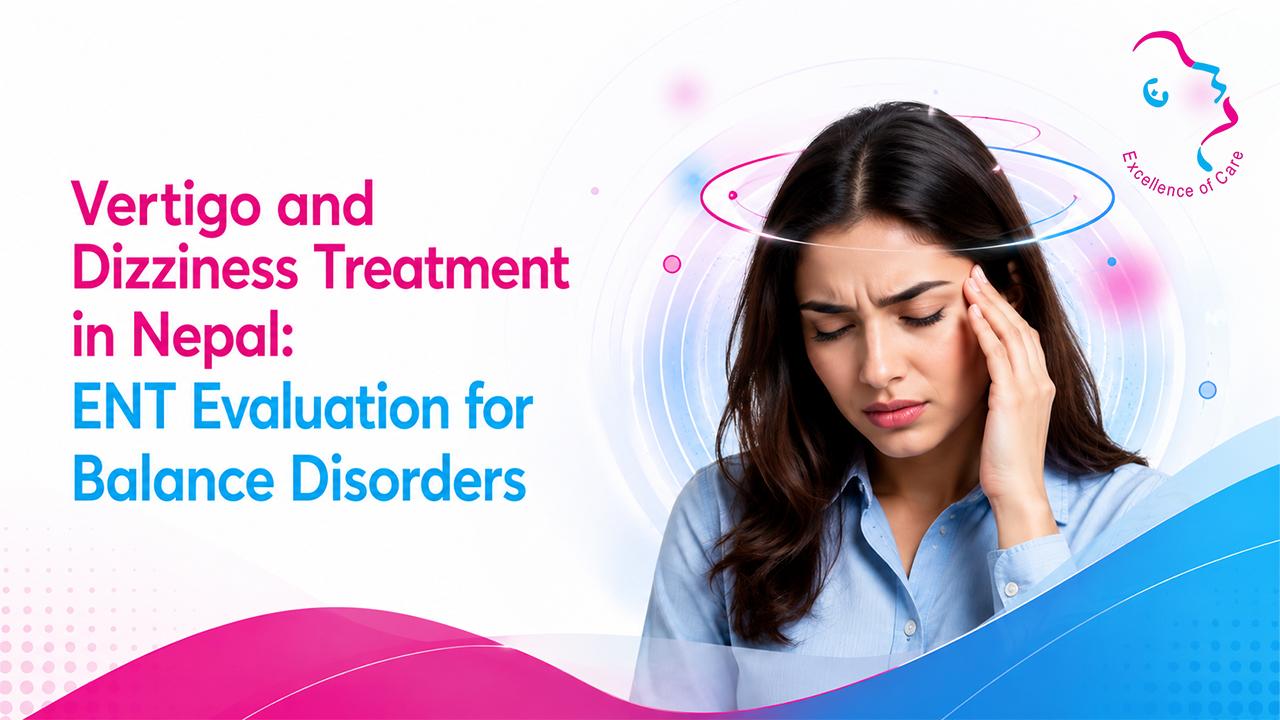
Vertigo and Balance Disorders
If you feel dizzy, lightheaded, or experience a spinning sensation, the problem may be related to the inner ear.
Conditions such as:
- Benign Paroxysmal Positional Vertigo (BPPV)
- Meniere’s Disease
- Inner ear infections
can all affect balance and coordination.
2. Nose and Sinus Problems: More Than Just a Blocked Nose
Breathing difficulties are extremely common in urban environments where pollution and dust levels are high.
Chronic Sinusitis
If nasal congestion, facial pressure, or reduced smell continues for more than 12 weeks, you may have chronic sinusitis.
Symptoms often include:
- Facial pain or pressure
- Thick nasal discharge
- Headache
- Difficulty breathing through the nose
- Reduced sense of smell
Many people rely on over-the-counter sprays for temporary relief, but persistent sinus problems may require specialized ENT treatment or surgery.
Allergic Rhinitis
Often mistaken for a simple cold, allergic rhinitis occurs when the immune system reacts to allergens such as dust, pollen, smoke, or pollution.
Common symptoms include:
- Sneezing
- Runny nose
- Itchy eyes
- Nasal congestion
In Nepal, seasonal weather changes frequently worsen allergy symptoms.
Deviated Septum
A deviated septum happens when the wall separating the nasal passages shifts to one side, making breathing difficult.
This condition may lead to:
- Chronic nasal blockage
- Snoring
- Recurrent sinus infections
- Sleep problems
A minor surgical procedure called septoplasty is commonly performed to correct this issue.
Common Nasal Conditions and Their Symptoms
| Condition | Main Symptom | Recommended Action |
| Acute Sinusitis | Facial pressure, thick mucus | Rest and hydration |
| Chronic Sinusitis | Long-term congestion | ENT consultation |
| Deviated Septum | Difficulty breathing through one side | Surgical evaluation |
3. Throat and Voice Disorders
Your throat plays a major role in breathing, speaking, and swallowing. Persistent throat symptoms should never be ignored.
Persistent Hoarseness
If your voice remains hoarse or raspy for more than two weeks, it could indicate:
- Vocal strain
- Laryngitis
- Vocal cord nodules
- More serious throat conditions
Early examination helps identify the exact cause before complications develop.
Tonsillitis and Enlarged Adenoids
Inflamed tonsils can cause severe pain, fever, and difficulty swallowing. In children, enlarged adenoids may result in:
- Mouth breathing
- Snoring
- Poor sleep quality
ENT specialists determine whether medications or procedures such as tonsillectomy are necessary.
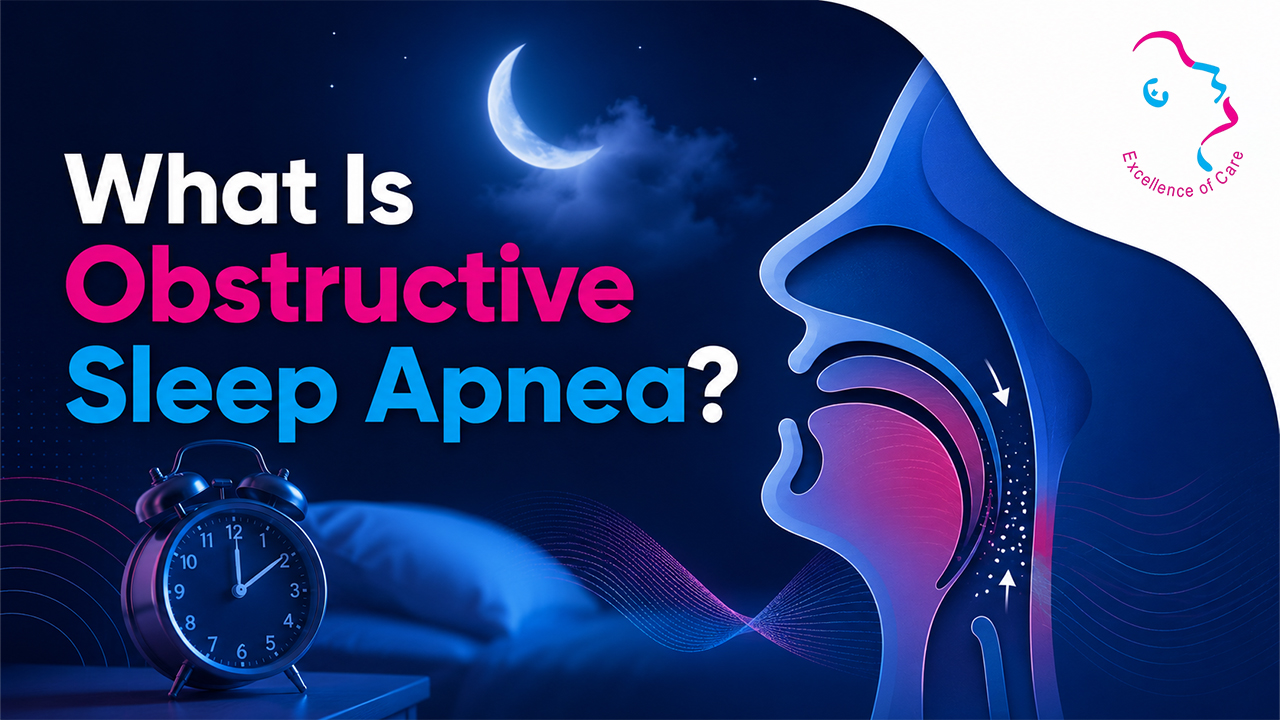
Sleep Apnea
Loud snoring and interrupted breathing during sleep may be signs of obstructive sleep apnea (OSA).
This condition occurs when throat muscles relax and temporarily block airflow during sleep. Untreated sleep apnea is associated with:
- High blood pressure
- Heart disease
- Daytime fatigue
- Poor concentration
Why Early ENT Treatment Matters
Ignoring ENT symptoms can lead to serious complications over time.
For example:
- Untreated ear infections may damage hearing permanently
- Chronic sinus infections can spread to nearby structures
- Persistent throat problems may worsen without diagnosis
Early evaluation allows doctors to treat conditions before they become more severe.
Modern ENT Diagnostic Technology
Leading ENT hospitals in Nepal now use advanced diagnostic tools to improve accuracy and treatment outcomes.
These include:
Video Endoscopy
Used to examine deep areas of the nose and throat.
Pure Tone Audiometry (PTA)
Measures hearing levels precisely.
Tympanometry
Evaluates middle ear function and eardrum health.
Tips to Protect Your ENT Health
Simple daily habits can help reduce ENT-related problems.
Stay Hydrated
Water keeps the throat and nasal passages moist.
Protect Your Ears
Use ear protection in loud environments to prevent hearing damage.
Try Steam Inhalation
Steam can help reduce nasal congestion caused by pollution and dust.
Schedule Regular Checkups
People with recurring sinus or ear issues should consider routine ENT evaluations.
Frequently Asked Questions
When should I visit an ENT specialist?
You should see an ENT doctor if symptoms such as ear pain, blocked nose, dizziness, sore throat, or hoarseness persist for more than a few days or continue recurring.
Can Kathmandu pollution cause ENT problems?
Yes. Air pollution and dust exposure can irritate the nasal passages and worsen allergies, sinusitis, and respiratory symptoms.
Does snoring always mean sleep apnea?
Not always, but loud and frequent snoring is one of the most common signs. A sleep study may be required for diagnosis.
Final Thoughts
ENT problems are often overlooked because the symptoms may seem minor at first. However, ongoing issues involving hearing, breathing, swallowing, or balance should never be ignored.
Early diagnosis and timely treatment at a trusted ENT hospital in Nepal can prevent long-term complications and improve overall quality of life.
Whether it’s chronic sinusitis, hearing loss, throat discomfort, or sleep-related breathing problems, professional ENT care can make a significant difference in your health and comfort.